1 min read
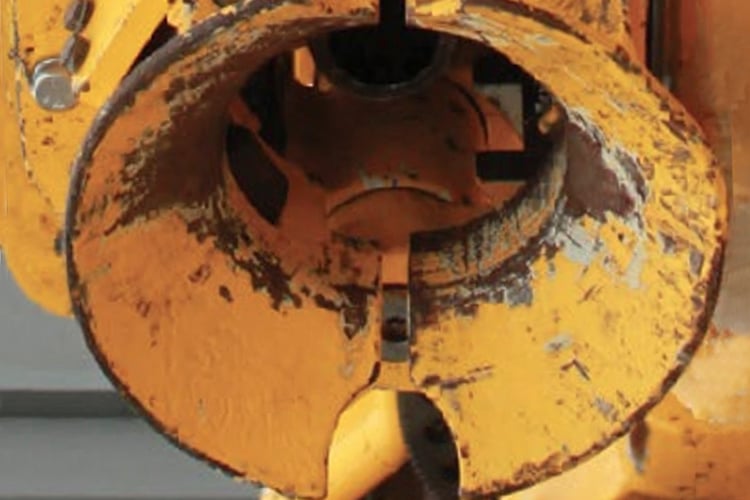
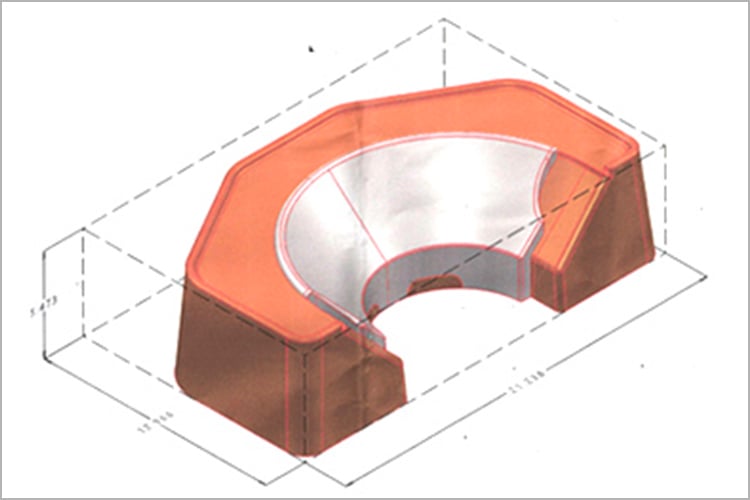
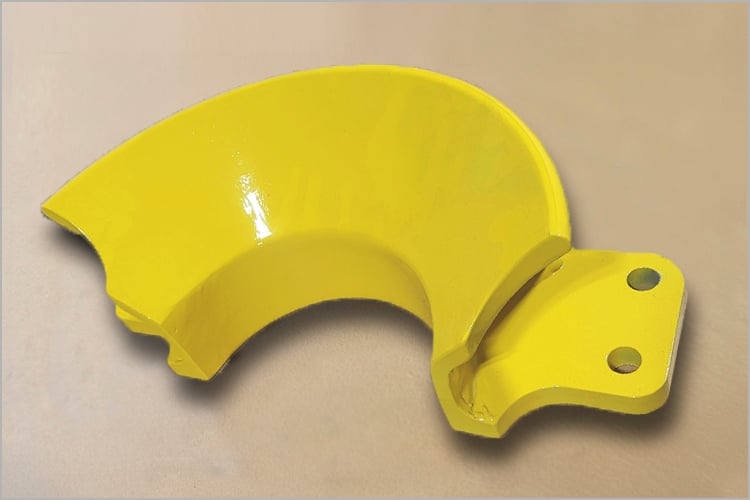
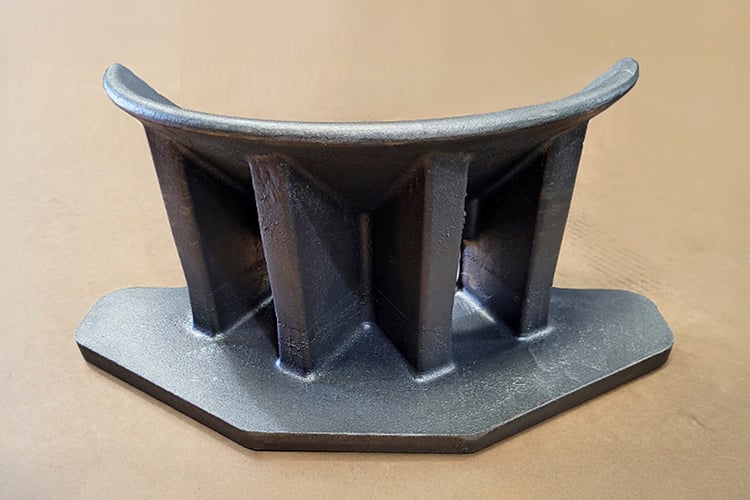
6" Cage Clamp: Ductile Iron Casting Production
Phenix Foundry provides a continuous supply of high-strength ductile iron castings for KC Welding’s heavy-duty toggle clamp assemblies. Used in...
1 min read
Driving Efficiency, Consistency, and Cost Control
In many industrial applications, fabricated weldments have long been the default method for producing complex metal components. But today, in response to more unpredictable supply chains, compressed lead times, and growing cost pressures, manufacturers are increasingly rethinking this approach.
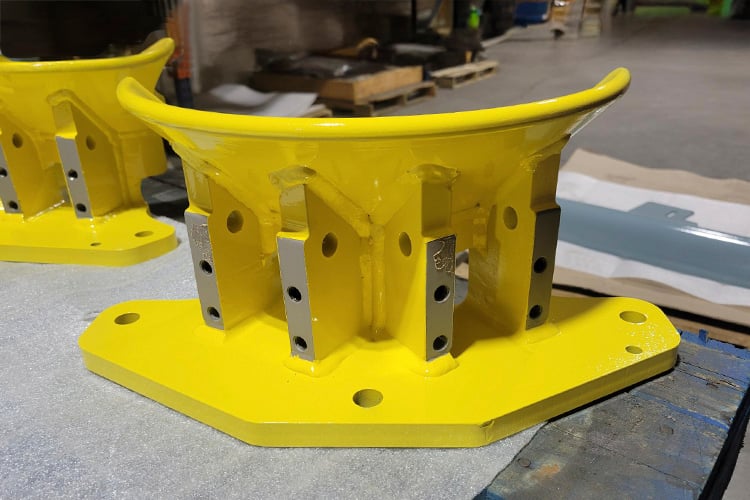
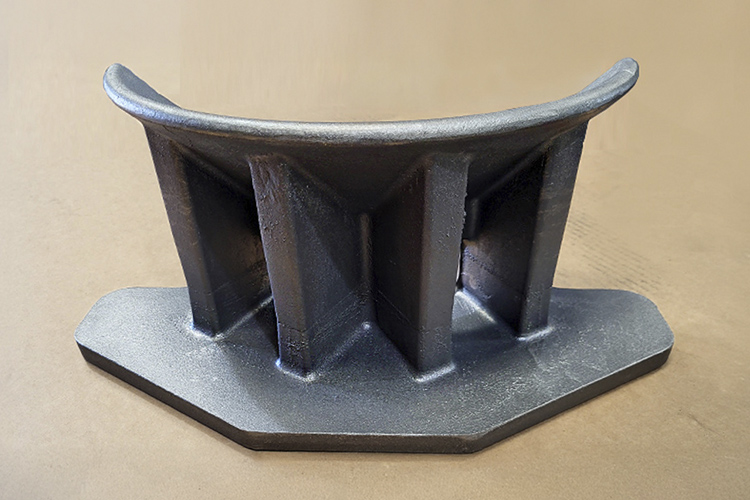
Weldment conversion—the process of redesigning a multi-piece fabricated assembly into a single cast component—offers a clear, measurable path to improved performance across operations.
At its core, weldment conversion replaces complexity with simplicity. What was once a multi-step process involving cutting, fitting, welding, and inspection becomes a more streamlined casting workflow—impacting everything from production efficiency to product reliability and long-term cost structure.
What Drives Value?
The value of weldment conversion is best understood through its impact across production—spanning efficiency, consistency, cost performance, and supply chain resilience, including:
Reduced Fabrication Time & Labor Dependency
Eliminates cutting, fixturing, and multi-step welding
Reduces reliance on skilled labor and manual processes
Shortens production cycles and improves throughput predictability
Improved Consistency & Repeatability
Removes variability from weld technique, heat input, and assembly alignment
Produces parts from consistent mold geometry once tooling is established
Reduces distortion, rework, and downstream inspection requirements
Lower Total Cost of Production
Reduces labor hours by eliminating assembly steps
Reduces scrap and rework through improved process control
Lowers inspection burden by reducing weld seams
Decreases overall cost per unit through part consolidation
Simplified Supply Chain & Reduced Risk
Reduces components, suppliers, and purchase orders to manage
Reduces exposure to delays, quality issues, and coordination challenges
Streamlines procurement and inventory management
Enhanced Structural Integrity & Performance
Eliminates weld seams as potential failure points
Improves material continuity and reduces stress concentrations
Enhances fatigue performance and long-term durability
Design Flexibility Without Added Complexity
One of the most overlooked advantages of weldment conversion is the ability to improve part design without increasing manufacturing complexity. Casting allows for integrated geometry—contours, reinforcements, and optimized shapes—that would otherwise require additional components or fabrication steps. The result is better-performing parts produced through a more efficient, consolidated process.
A Strategic Shift, Not Just a Process Change
Weldment conversion is more than a manufacturing alternative—it’s a strategic decision that aligns production with modern demands for efficiency, reliability, and scalability. For foundries like Phenix, which work from existing designs and manufacturing drawings, this doesn’t require a full product redesign—just a smarter approach to how the part is produced.
By reducing complexity, improving consistency, and strengthening supply chain resilience, weldment conversion delivers measurable impact—not just on the shop floor, but across the entire operation
1 min read
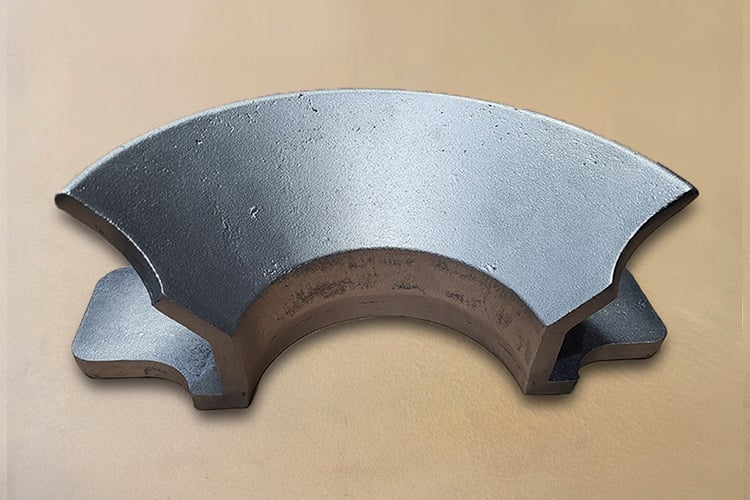
Phenix Foundry provides a continuous supply of high-strength ductile iron castings for KC Welding’s heavy-duty toggle clamp assemblies. Used in...
3 min read
As offshore oil and gas infrastructure ages, replacing and improving critical components has become an important strategy for extending asset life....
1 min read
Phenix Foundry recently delivered a custom impeller casting for an industrial customer. The purpose-built three-blade impeller was cast to exact...