1 min read
Phenix Foundry: Your Partner in Precision Iron Casting Solutions
Driving Efficiency, Consistency, and Cost Control For more than 55 years, Phenix Foundry has delivered high-quality iron castings to industries...
2 min read
The best casting projects often begin before the first pattern is built—or even before the initial engineering drawing is complete.
Involving your foundry early in the design process gives both teams an opportunity to evaluate the component from a manufacturing perspective. Small design changes made during the early stages can improve casting performance, reduce production costs, simplify machining, and shorten lead times, often without affecting the function of the finished part.
Early collaboration helps ensure that the design not only meets its performance requirements, but can also be manufactured as efficiently as possible.
Optimizing the Design for Casting
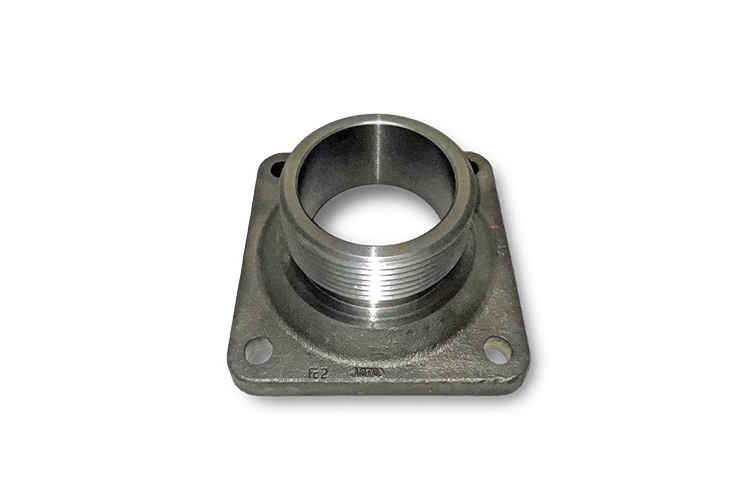
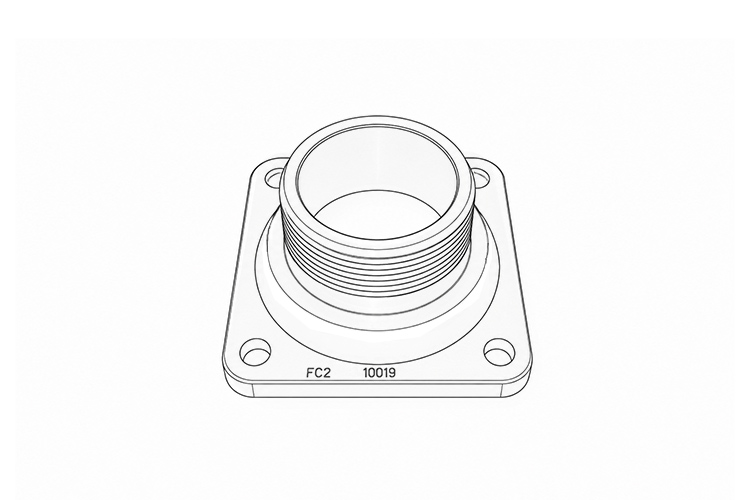
A component designed for fabrication or machining is not always the most efficient design for casting. Reviewing the part with your foundry can uncover opportunities to simplify the design while maintaining—or even improving—its performance.
Depending on the application, design improvements may include:
These types of changes can lower manufacturing costs while also reducing assembly time, inventory requirements, and downstream production steps.
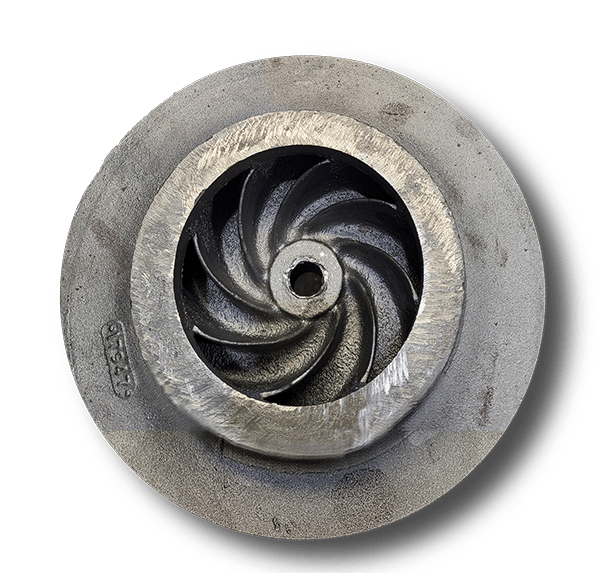
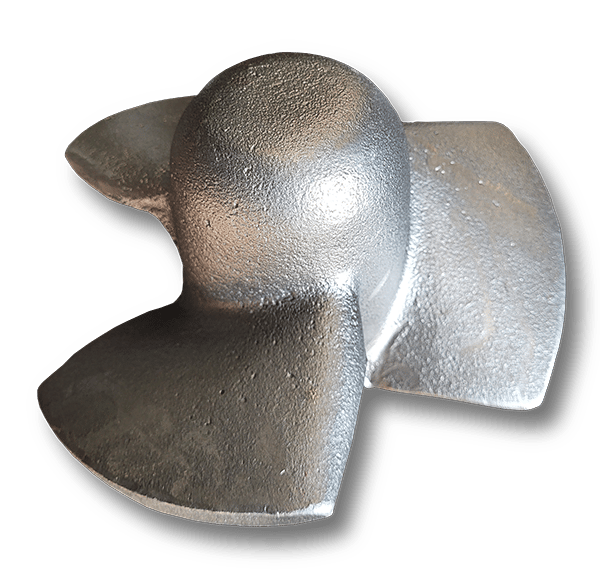
Designing for Manufacturability
Casting performance depends on more than the final geometry of the part. The design must also account for how molten metal flows, solidifies, and cools during production.
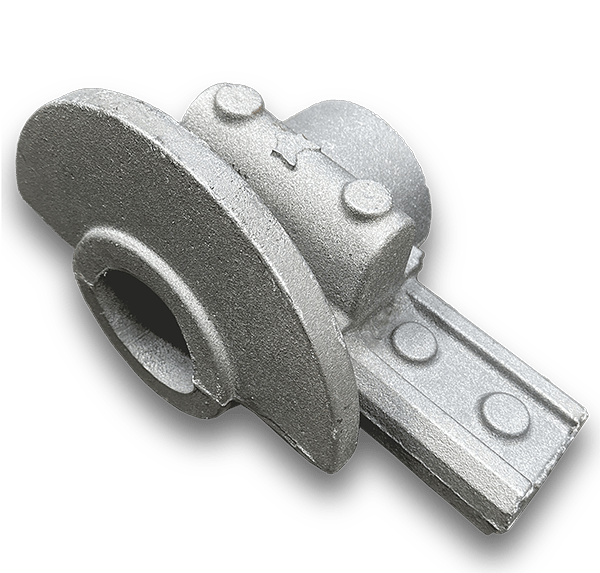
Features such as section thickness, fillet radii, draft, machining stock, and core design all influence casting quality and consistency. Reviewing these elements early allows potential manufacturing challenges to be addressed before tooling is produced—when changes are typically simpler and less expensive.
A collaborative design review often results in a component that is easier to manufacture, more consistent in production, and less likely to require revisions later in the project.


Better Documentation Supports Better Results
As the design is finalized, complete engineering drawings help move the project efficiently from quotation through production.
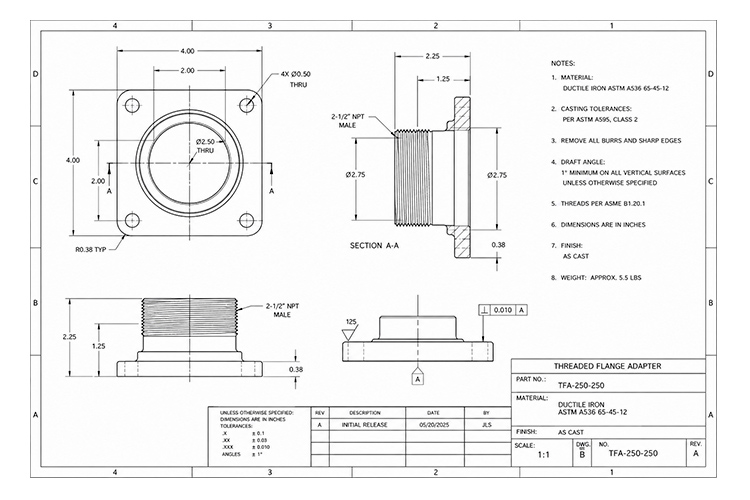
Clear dimensions, tolerances, material specifications, machining requirements, and critical inspection features allow the foundry to accurately evaluate the project, design tooling, manufacture the casting, and verify that it meets specification. Well-prepared drawings also reduce unnecessary questions during the review process, helping projects move forward more efficiently.
Rather than simply documenting the finished design, engineering drawings communicate the information needed to successfully manufacture it.
A Collaborative Approach Produces Better Castings
Foundries contribute more than manufacturing capability—they bring practical experience in casting design, metallurgy, tooling, and production processes. Leveraging that expertise during the design phase can help identify opportunities that may not be apparent when designing solely from the finished part's functional requirements.
At Phenix Foundry, we work with customers early in the development process to review designs, discuss manufacturing considerations, and recommend practical improvements where appropriate. Our objective is not to redesign your product, but to help ensure it can be manufactured efficiently while meeting your performance and quality expectations.
When engineering teams and foundries collaborate from the beginning, the result is often a casting that performs better, costs less to produce, and moves more efficiently from design to production.
Contact us today to discuss your next iron casting project!
1 min read
Driving Efficiency, Consistency, and Cost Control For more than 55 years, Phenix Foundry has delivered high-quality iron castings to industries...
3 min read
As offshore oil and gas infrastructure ages, replacing and improving critical components has become an important strategy for extending asset life....
1 min read
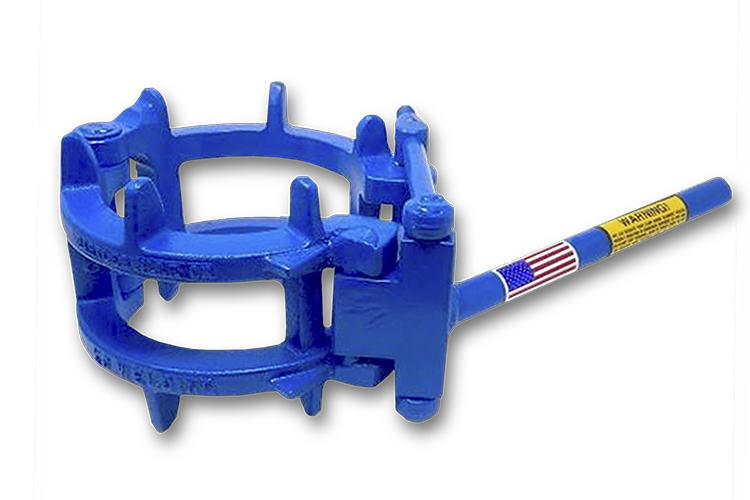
Phenix Foundry provides a continuous supply of high-strength ductile iron castings for KC Welding’s heavy-duty toggle clamp assemblies. Used in...